
A humidifier adds moisture to dry air, while a dehumidifier removes extra moisture from damp air. They do opposite jobs, so one cannot stand in for the other. This guide shows how each works, which humidity numbers matter, and how to pick the right one for your room.
- Use a humidifier when indoor humidity falls below about 30%. Use a dehumidifier when it stays above about 50%.
- Neither device can do the other’s job. The wrong one can make mold, dampness, or asthma triggers worse.
- For asthma and allergies, keeping humidity in a moderate range matters more than choosing a favorite device.
- You can own both and use them in different rooms or seasons, but not in the same room at once.
- A whole-house dehumidifier typically runs about $1,000 to $2,800 installed. Portable units cost much less.
What Is Humidifier vs Dehumidifier?
A humidifier puts water vapor into the air. Types include cool-mist, ultrasonic, evaporative, and warm-mist models. Dry air from winter heating is the usual reason people buy one.
A dehumidifier pulls moisture out of the air. Most portable models draw air over a cold coil. Water condenses and drips into a tank or a drain hose. Mayo Clinic notes that dehumidifiers collect extra moisture and lower humidity levels.
So are they the same thing? No. They share a similar look and a water tank, but they work in opposite directions.
| Feature | Humidifier | Dehumidifier |
|---|---|---|
| What it does | Adds moisture to the air | Removes moisture from the air |
| Best for | Dry skin, dry throat, winter heating, static shocks | Musty smells, damp basements, condensation, mold worries |
| Use it when humidity is | Below about 30% | Above about 50% |
| If you use the wrong one | Air gets too wet. Mold and dust mites can thrive. | Air gets even drier. Throat and skin irritation can worsen. |
The Humidity Ranges That Decide It
Most comparison pages stay vague here. Numbers make the choice easy. Bryant suggests considering a humidifier below 30% and a dehumidifier when humidity stays above 50%. Allergy guidance cited by AHAM points to 30% to 45% for the home. Minnesota health guidance gives a general range of 30% to 50%.
| Indoor humidity | What to consider |
|---|---|
| Below 30% | Humidifier |
| 30% to 45% | Neither. This is the target zone. |
| 45% to 50% | Usually neither. Watch for allergy or mold concerns. |
| Above 50% for days | Dehumidifier |
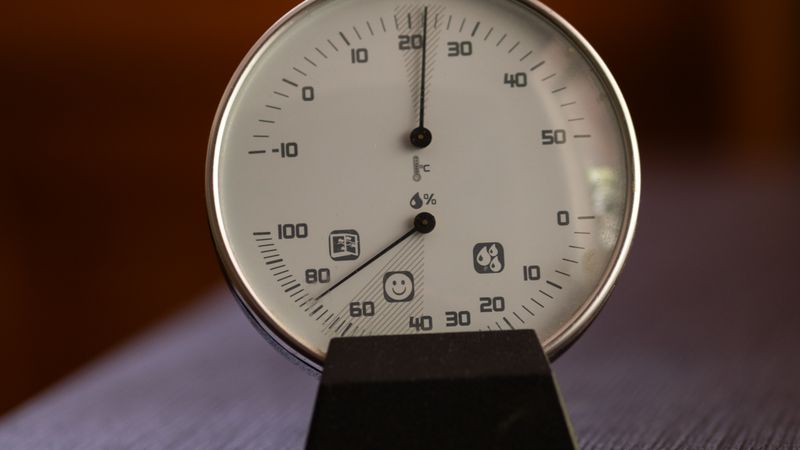
You need a hygrometer to use this table. A basic digital one is cheap and shows the reading in seconds. Guessing leads to the wrong purchase.
What’s Better: Humidifier or Dehumidifier?
Neither is better in general. The right device depends on your air. Use this quick guide.
- Dry skin, cracked lips, static shocks, humidity under 30%: get a humidifier.
- Musty smell, damp walls, window condensation, humidity over 50%: get a dehumidifier.
- Visible mold: a dehumidifier helps control moisture, but you must also fix the leak and clean the mold.
- Humidity between 30% and 45%: skip both and look for another cause of your symptoms.
Climate and season matter too. Winter heating in cold regions tends to dry indoor air. Hot, humid regions and summer basements lean damp. The EPA suggests dehumidifiers and air conditioners in hot, humid climates to cut moisture.
Can One Device Replace the Other?
No. This is the most common mix-up, so here are the direct answers.
- Does a dehumidifier work as a humidifier? No. It removes water vapor. Its exhaust air may feel warm, but it does not add moisture.
- Can a humidifier be used as a dehumidifier? No. It releases water into the room, so humidity goes up, not down.
- Can a dehumidifier humidify? No, not by design.
Using the wrong one makes the problem worse. A humidifier in a damp basement feeds mold. A dehumidifier in a dry bedroom can leave you with a sore throat.
What about a Dyson humidifier dehumidifier? Dyson sells humidifiers and air purifier-humidifier combos. A device that humidifies and dehumidifies at the same moment makes no sense, because those jobs cancel out. If a product claims both, check the specs. It likely has separate modes or separate functions, such as purifying plus humidifying, not true two-way control.
Asthma, Allergies, and Congestion
Congestion and asthma call for different thinking.
Congestion
Moist air may ease a stuffy nose. Mayo Clinic says cool-mist humidifiers may help a child’s stuffy nose during a cold. It also warns that dirty humidifiers can trigger or worsen asthma and allergy symptoms. So cleaning is part of the treatment.
Asthma and allergies
Here the goal is balance. Air that is too dry can irritate airways. Air that is too damp supports dust mites and mold, both common triggers. Aim for that 30% to 45% zone. If your reading is high, a dehumidifier makes sense. If it is low, use a humidifier carefully and keep it spotless. Talk with your doctor about your own triggers.
Worked Example: Bedroom vs Basement
From the Shop
Picture two sample rooms, using typical readings rather than a real test.
Bedroom in January. The hygrometer reads 22%. Skin feels tight and the throat is scratchy. That is below 30%. A small cool-mist humidifier fits here. Run it until the reading sits near 35% to 40%, then stop. Do not chase 60%.
Basement in July. The hygrometer reads 65% and there is a musty smell. That is well above 50%. A portable dehumidifier fits here. Set the target near 45% to 50% and empty the tank, or use a drain hose. If the reading never drops, look for leaks, poor drainage, or a dryer vent that dumps air inside.
Same home, same year, two opposite fixes. That is why you check the number first.

Using Both in the Same Home
Can a humidifier and dehumidifier be used together? Yes, in the same home, but not in the same room at the same time. Run a humidifier in a dry bedroom during winter. Run a dehumidifier in a damp basement during summer. Some homes swing between both across seasons.
Check readings often. If you run a humidifier all night, humidity can climb past 50% and cause window condensation. Many models have a built-in humidistat. It shuts the unit off when the target is reached.
The EPA also warns that humidifiers are not recommended in buildings without proper vapor barriers, because moisture can build up inside walls. In an older home with no vapor barrier, keep humidity on the low side and watch windows for fog.
Cost, Cleaning, and Safety
How much does a humidifier or dehumidifier cost? Prices depend on size, tank capacity, and features. Small tabletop humidifiers and portable dehumidifiers sit at the low end. Larger room units cost more. Whole-house systems cost the most.
For one hard number: Carrier says a whole-house dehumidifier typically costs about $1,000 to $2,800 including the unit and professional installation. Check current retail prices for portable models, since they change often.
| Type | Typical use | Cost level |
|---|---|---|
| Tabletop humidifier | One bedroom or office | Low |
| Portable dehumidifier | Basement, laundry room, one floor | Low to medium |
| Whole-house dehumidifier | Entire home on the HVAC system | About $1,000 to $2,800 installed |
Maintenance basics
- Humidifier: Empty and dry the tank daily. Follow the maker’s cleaning steps on a regular schedule. Replace filters and wicks as directed.
- Dehumidifier: Empty the bucket or use a drain hose. Clean the air filter. Wipe the tank so slime and odors do not build up.
- Safety: Keep cords away from water. Place warm-mist models out of a child’s reach. Set both devices on a flat, stable surface.
Frequently Asked Questions
What is humidifier vs dehumidifier?
A humidifier adds moisture to dry air. A dehumidifier removes extra moisture from damp air. Pick based on your humidity reading, not on the season alone.
Is humidifier and dehumidifier the same?
No. They look alike, but they do opposite jobs. Using the wrong one can make comfort, mold, or asthma problems worse.
What’s better humidifier or dehumidifier?
It depends on your air. Choose a humidifier if humidity is below 30%. Choose a dehumidifier if it stays above 50%. If you sit between 30% and 45%, you likely need neither.
Does a dehumidifier work as a humidifier?
No. A dehumidifier takes water out of the air. It cannot add moisture, even if the air coming out feels warm.
Can a dehumidifier be used as a humidifier?
No. If your air is dry, a dehumidifier will make it drier. Use a humidifier instead.
Can dehumidifier humidify?
No. Its job is to lower humidity. Some products with several modes exist, but each mode does one task at a time.
Can humidifier be used as dehumidifier?
No. A humidifier raises humidity. In a damp room it adds to the problem and can encourage mold.
Can a humidifier and dehumidifier be used together?
Yes, in the same home, but use them in different rooms or different seasons. Running both in one room fights itself and wastes energy. Track humidity with a hygrometer.
How much does a humidifier/dehumidifier cost?
Small humidifiers and portable dehumidifiers cost the least. Carrier puts a whole-house dehumidifier at about $1,000 to $2,800 including professional installation. Prices for other models vary by size and features.