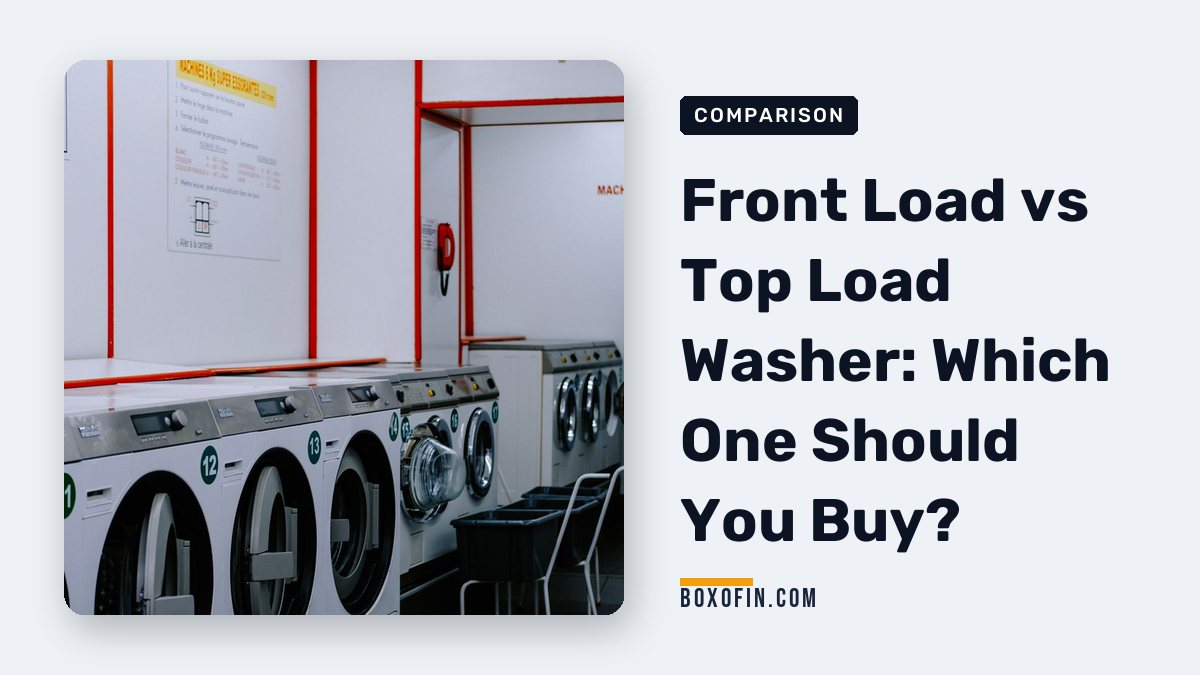
Front load washers usually clean better, use less water, and treat fabric more gently. Top load washers usually cost less, load more easily, and often finish cycles faster. The right pick depends on your budget, your space, your back, and whether cleaning power or convenience matters more to you.
- Front load washers tumble clothes in a horizontal drum. They tend to remove stains better and use less water.
- Top load washers cost less upfront and have shorter cycles. You also do not have to bend down to the floor.
- Front loaders can smell if moisture and residue stay trapped. Door and detergent habits prevent most of it.
- Loading technique changes cleaning results on both types, especially on top loaders with no agitator.
- Pick by household: budget, heavy stains, small space, or mobility needs.
- What Is the Difference Between Front Load and Top Load?
- Which One Cleans Clothes Better?
- Do Front Load Washers Save Water and Energy?
- Price, Cycle Time, Capacity, and Maintenance
- Top Load Types: Agitator, Impeller, No Agitator
- How to Load Each Washer Correctly
- Why Front Load Washers Smell
- Which Washer Fits Your Household?
- What to Compare When Buying a Front Load Washer
- Frequently Asked Questions
What Is the Difference Between Front Load and Top Load?
A front load washer has a door on the front and a drum that lies on its side. Clothes tumble up and over, then drop back down into a small pool of water. A top load washer opens from the top. Its drum stands upright, and a central post or a low disc moves the clothes through the water.
That one design choice drives most of the other differences. It affects water use, capacity, cycle length, fabric wear, and how you bend or reach when loading.
| Feature | Front Load | Top Load |
|---|---|---|
| Cleaning | Often better on stains | Good, varies by type |
| Fabric care | Gentler | Gentler if no agitator |
| Water use | Lower | Higher |
| Cycle time | Longer | Usually shorter |
| Capacity | Often larger | Smaller with a center post |
| Upfront cost | Higher | Lower |
| Accessibility | Bend or use a pedestal | Easier standing reach |
Which One Cleans Clothes Better?
Front load washers have the edge. Tumbling lifts and drops clothes again and again, which works like a gentle scrub. Front loaders are often better at removing stains and are easier on fabric than many top load models. This matches what Good Housekeeping’s expert comparison reports.
The gap is not huge on everyday loads. A modern top loader with an impeller cleans well. The difference shows up on heavy stains, delicate fabrics, and clothes you want to last longer. Old agitator models are the roughest on fabric, because the center post twists and pulls clothes.

Do Front Load Washers Save Water and Energy?
Yes, in most cases. A front load drum does not need to fill with water to cover the clothes. Clothes drop through a small amount of water instead. Front loaders are commonly more energy efficient, too.
They also spin faster. Faster spin pulls more water out of the clothes before they go to the dryer. Drier clothes can mean shorter drying time, which saves more energy. Check the yellow Energy Star label or the manufacturer’s listed water and energy figures for any model you consider. Whirlpool also explains this trade-off in its top load vs. front load guide.
Price, Cycle Time, Capacity, and Maintenance
Top loaders usually cost less upfront. That matters if you are on a tight budget or replacing a broken washer fast.
Cycle time goes the other way. Top load cycles are usually shorter. Front load cycles run longer because they use less water and rely on tumbling. If you often need a fast load, a top loader may suit you better.
Capacity favors front loaders. Without a central agitator taking up room, many front load drums hold more. That helps with comforters, bulky bedding, and big family loads. Fewer loads can offset the longer cycle.
Maintenance favors top loaders. Front loaders need a little regular care to stay fresh, covered below.
Top Load Types: Agitator, Impeller, No Agitator
Not all top loaders work the same way. There are three common designs.
- Agitator: A tall post in the center twists clothes through the water. It is strong on dirt and cheap to buy. It takes the most space and is the hardest on fabric.
- Impeller: A low cone or disc at the bottom spins and makes water currents. Clothes rub against each other. It is gentler and leaves more room in the drum.
- No agitator: This term usually means an impeller model or a similar post-free design. The drum is open, so capacity goes up.
Impeller washers use less water than agitator models, but they depend more on how you load them.
How to Load Each Washer Correctly
Most cleaning problems come from overloading. Always check your manual for the exact fill line.
How to load a front load washer
- Check pockets and zip zippers. Close any hook-and-loop strips.
- Sort by color and fabric type.
- Load clothes loosely. Do not press them down.
- Fill the drum no more than about three-quarters full. Clothes need room to tumble.
- Use only high efficiency (HE) detergent, and measure it. Extra soap leaves residue.
- Add detergent to the dispenser drawer. Shut the door firmly.
How to load a top load washer
- Empty pockets and sort the laundry.
- Add detergent first if your manual says so, or in the dispenser.
- Place clothes in loosely, one item at a time.
- Stay below the top row of holes or the fill line.
- Spread items evenly so one side is not heavier.
How to load a top load washer without an agitator
- Check the manual for load size. These drums look roomy, but packing them hurts cleaning.
- Place clothes loosely around the drum in layers, not in one pile in the middle.
- Mix large and small items. One big towel alone can throw the drum off balance.
- Do not wrap sheets around the center. Drape them loosely instead.
- Keep clothes below the top of the drum. The impeller needs room to make currents.
Why Front Load Washers Smell
Front load odor comes from trapped moisture and leftover residue. The rubber door seal, also called the gasket, holds water in its folds. Soap, lint, and body oils collect there. Damp and dark conditions let mildew grow. A closed door makes it worse.
Top loaders get less of this. The lid is open at the top, and water drains away from the seal area.
How to prevent front load washer odor
- Leave the door slightly open after every wash so air can dry the drum.
- Wipe the gasket after the last load of the day. Pull back the folds and dry them.
- Use HE detergent only, and use the amount on the label. Too much leaves film.
- Pull out the detergent drawer now and then and rinse it.
- Run the washer’s clean-drum cycle on a regular schedule, using a washer cleaner if the manual calls for one.
- Do not leave wet clothes inside. Move them to the dryer soon after the cycle.
- Clean the drain pump filter as the manual advises. It catches coins, lint, and gunk.

Which Washer Fits Your Household?
Quick Checklist by Household
- Budget buyer: Choose a top loader. It costs less now and needs less upkeep.
- Family with heavy stains: Choose a front loader. Better stain removal and bigger drums suit kids’ clothes, sports gear, and bedding.
- Small-space apartment: Choose a front loader if you can stack a dryer on top. Check lid clearance if you pick a top loader under a shelf.
- Mobility-limited user: A top loader is easier to reach into without bending. A front loader on a pedestal can also work. Test the door height first.
- Heavy bedding: Choose a large-capacity front loader or an impeller top loader.
- Short on time: Choose a top loader for shorter cycles.
Best-for-You Flowchart
- Is price your first concern? Yes: top load. No: go on.
- Do you struggle with bending or kneeling? Yes: top load, or front load with a pedestal. No: go on.
- Do you need top stain removal, gentle fabric care, or lower water use? Yes: front load. No: go on.
- Do you want the fastest cycles and minimal upkeep? Yes: top load. No: front load.
What to Compare When Buying a Front Load Washer
People often ask what front load washer is the best. No single model wins for everyone. Based on manufacturer specifications and common buyer review themes, compare these points:
- Drum capacity: Bigger drums handle bedding. Match it to your household size.
- Spin speed: Higher speeds remove more water and can cut dry time.
- Energy and water ratings: Look for the Energy Star label and listed water use.
- Cycle options: Look for quick wash, bulky or bedding, delicates, and a sanitize or steam setting.
- Clean-drum cycle: This helps fight odor.
- Door seal design: A gasket that is easy to wipe makes upkeep easier.
- Vibration and noise: Buyers frequently mention these. They matter if the laundry room is near bedrooms.
- Size and stacking: Measure the space, door swing, and hose room. Check if it can stack with a matching dryer.
- Warranty: Check the length of coverage on the motor and drum.
Abt also lays out buying points in its front load vs top load washer guide.
Frequently Asked Questions
What’s better, front load or top load washer?
Front load is better for cleaning, fabric care, and water savings. Top load is better for price, speed, and easy loading. Pick the one that matches your top priority.
Is top load or front load washer better?
Neither wins every time. A front loader suits stained, bulky, or delicate loads. A top loader suits tight budgets, quick cycles, and people who want to avoid bending.
Why top load vs front load washer?
Shoppers compare them because the trade-offs are real. Top loaders cost less and run faster. Front loaders clean more gently and use less water and energy.
Why front load washers are better?
They tumble clothes through a small amount of water, which cleans well and is easy on fabric. Many have larger drums and faster spin speeds, so clothes dry sooner.
Why front load washer smells?
Moisture and residue get trapped in the door gasket, drawer, and drum. Leave the door ajar, wipe the seal, use HE detergent in the right amount, and run a clean-drum cycle regularly.
How to load front load washer?
Zip zippers, empty pockets, and place clothes in loosely. Fill the drum about three-quarters full. Add a measured amount of HE detergent and close the door.
How to load top load washer without agitator?
Put clothes in loosely in layers around the drum. Mix large and small items, drape sheets instead of wrapping them, and keep the load below the top of the drum.
What front load washer is the best?
It depends on your space and needs. Compare capacity, spin speed, efficiency ratings, clean-drum cycle, noise, size, and warranty. Then choose the model that fits your home and budget.