This guide is for homeowners and renters who want lower utility bills without giving up a working kitchen. The biggest savings come from three things: buying efficient appliances, matching the appliance size to the job, and fixing a few daily habits, such as running full dishwasher loads and keeping the fridge at the right temperature.
- ENERGY STAR refrigerators use about 20% less energy than standard models.
- ENERGY STAR dishwashers use about 10% less energy and 18% less water.
- Set the fridge to 35°F to 38°F and the freezer to 0°F.
- A dishwasher uses nearly the same energy and water for a small load as for a full one, so run it full.
- Top-freezer refrigerators of 16 to 20 cubic feet are typically the most efficient full-size choice.
- Clean coils, tight door seals, and regular defrosting keep appliances efficient for years.
Which Kitchen Appliances Use the Most Energy?
Three groups matter most: the refrigerator and freezer, the cooking appliances, and the dishwasher. The fridge never turns off, so small inefficiencies add up every hour of the year. Ovens and cooktops use a lot of power, but only while you cook. Dishwashers use both electricity and hot water, and the water heating is a big part of their cost.
Start with the appliance that runs the longest, then work toward the one you use the least. That order gives the biggest return for the least effort.
Does ENERGY STAR Save Money?
Yes, on average. Based on ENERGY STAR figures, qualified refrigerators use about 20% less energy than standard models. Qualified dishwashers use about 10% less energy and 18% less water. Certified electric cooking products are about 18% more efficient on average. Across a set of certified kitchen appliances, lifetime savings are roughly $385, depending on which products you buy. You can read more in the ENERGY STAR electric cooking products overview.
The table below puts the numbers side by side. Habit effects are described in general terms because they vary by home.
| Appliance | ENERGY STAR advantage | Best habit | Effect of the habit |
|---|---|---|---|
| Refrigerator | About 20% less energy | Keep at 35°F to 38°F; limit door openings | Less compressor run time |
| Freezer | Included in fridge-freezer rating | Hold at 0°F; keep it well stocked | Steady cold, fewer warm-up cycles |
| Dishwasher | About 10% less energy, 18% less water | Run full loads; skip heated drying | Fewer cycles and less heating |
| Electric cooking | About 18% more efficient | Use a small appliance for small meals | Less heat wasted heating a big oven |
Refrigerator and Freezer Habits
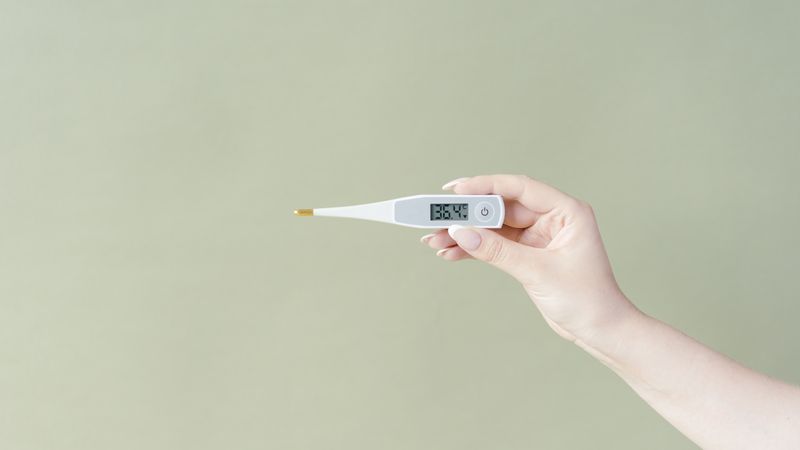
Keep the refrigerator between 35°F and 38°F and the freezer at 0°F. Colder than that wastes power. Warmer than that risks food safety. Use a cheap appliance thermometer, because built-in dials are often only rough guides.
- Close the door fast. Decide what you need before you open it.
- Let hot food cool first. Warm pots make the compressor work harder.
- Keep the freezer fairly full. Frozen items hold cold better than empty air.
- Leave space for airflow. Packed shelves block the cold air vents.
- Check the door gasket. Close the door on a dollar bill. If it slides out easily, the seal is weak.
Dishwasher Tips and Settings
When is a dishwasher better than washing by hand?
A dishwasher usually wins when it runs full. It uses almost the same energy and water whether it holds four plates or a full rack. So a half-empty load wastes resources. Hand washing with the tap running can use more water than a full, efficient dishwasher cycle. If you only have a few dishes, wash them in a basin instead.
What dishwasher settings use less energy?
- Skip heated drying. The heating element adds energy use. Choose air-dry or no-heat drying, or crack the door open after the final rinse.
- Scrape, don’t rinse. Most modern machines handle food residue. Pre-rinsing wastes hot water.
- Use the normal or eco cycle. Save heavy cycles for baked-on pans.
- Wait for a full load. This matters most because the machine uses a similar amount of resources either way.
- If you have a full rack, run the dishwasher on eco with air-dry.
- If you have only a few dishes, hand wash in a filled basin.
- If pans are heavily baked-on, soak them first, then use a normal cycle.
Cooking Appliance Efficiency
Match the tool to the meal. A microwave, toaster oven, or slow cooker uses less energy than a full-size oven for small portions. Save the big oven for large meals, and cook several dishes in one session.
- Put a pot on a burner close to its size. A small pot on a large burner wastes heat.
- Keep lids on pots so food heats faster.
- Skip long preheating for most dishes. Check your recipe first.
- Keep the oven door closed. Use the light to check food.
- Flat, clean cookware sits better on the burner and transfers heat well.
When shopping, ENERGY STAR electric cooking products average about 18% better efficiency than standard models. For more on the efficiency basics, see the Department of Energy kitchen appliance fact sheet.
How Size and Style Affect Energy Use
Yes, size matters. A bigger appliance has more space to cool or heat, so it generally uses more energy. But a unit that is too small leads to extra trips, extra cycles, or a second fridge in the garage. The most efficient full-size refrigerators with freezers are typically 16 to 20 cubic feet.
Style matters too. Top-mounted freezer models generally use less energy than bottom-mounted or side-by-side models. Through-the-door ice and water features usually add energy use as well.
| Appliance | Efficient choice | Higher-use choice |
|---|---|---|
| Refrigerator | 16 to 20 cu. ft., top freezer | Large side-by-side or bottom-freezer with ice dispenser |
| Freezer | Size that fits what you really store | Oversized unit kept half empty |
| Dishwasher | ENERGY STAR model, sized to your household | Older model with heated dry only |
| Cooking | ENERGY STAR electric range or cooktop; small appliances for small meals | Using a full oven for single portions |
Maintenance That Keeps Appliances Efficient
Even an efficient appliance loses ground if you ignore it. Use this checklist.
- Refrigerator: Vacuum the condenser coils (back or bottom) a couple of times a year. Test the door gasket. Keep the unit a few inches from the wall for airflow.
- Freezer: Defrost manual-defrost models when frost builds up. Thick ice makes the unit work harder.
- Placement: Keep the fridge away from the oven, the dishwasher, and direct sun.
- Dishwasher: Clean the filter and spray arms so water flows properly. Check the manual for your model.
- Cooking: Wipe reflective surfaces and burners. Check oven door seals for gaps.
For more manufacturer-neutral guidance, the Department of Energy guide to kitchen appliances covers each type in detail.
Replace or Keep? A Worked Example
How much can a new refrigerator save? Here is an illustrative estimate. The numbers are assumptions, not measured results. Use the EnergyGuide label on your own models to get real figures.
| Item | Assumed value |
|---|---|
| Old refrigerator use | 1,200 kWh per year |
| New ENERGY STAR refrigerator use | 450 kWh per year |
| Savings | 750 kWh per year |
| Electricity rate | $0.16 per kWh |
| Estimated yearly savings | $120 |
At $120 per year, savings over ten years would be about $1,200 before the purchase price. That does not always pay for a new unit alone, so weigh it against cost. Old fridges, especially a second one in the garage, are often the best ones to replace. A fridge under about 15 years old with a good seal may be fine if you adopt the habits above.
- If your fridge is very old, loud, or has a failing seal, replace it with an ENERGY STAR model.
- If it works well and is newer, keep it and fix the seal, coils, and temperature.
- If you have a rarely used second fridge, consider unplugging it.
Frequently Asked Questions
Which kitchen appliances use the most energy in a typical home?
The refrigerator and freezer stand out because they run all day. Ovens and cooktops use a lot of power during cooking. Dishwashers use electricity and hot water together. Focus first on the fridge, then cooking habits, then the dishwasher.
Does buying ENERGY STAR appliances actually save money?
On average, yes. Qualified refrigerators use about 20% less energy, dishwashers about 10% less energy and 18% less water, and electric cooking products are about 18% more efficient. Certified kitchen appliances can save roughly $385 over their lifetime, depending on the products.
How can I save energy with my refrigerator and freezer every day?
Set the fridge to 35°F to 38°F and the freezer to 0°F. Open doors briefly, cool hot food first, keep air vents clear, and check the door seals. Clean the coils and defrost manual-defrost freezers.
What dishwasher settings use less energy?
Choose the eco or normal cycle and turn off heated drying. Air-dry the dishes instead. Scrape food off plates rather than pre-rinsing them, and wait for a full load.
How can I choose an efficient refrigerator, freezer, oven, or cooktop when shopping?
Look for the ENERGY STAR logo and compare the kWh figure on the EnergyGuide label. Pick a refrigerator in the 16 to 20 cubic foot range if it fits your household, and consider a top-freezer style. For cooking, ENERGY STAR electric products are about 18% more efficient on average.
Does appliance size affect energy use?
Yes. Larger units generally use more energy, and extra features like ice dispensers add to it. But buy for your real needs, because a unit that is too small can lead to extra cycles or a second appliance.
How much can efficient kitchen appliances reduce bills over time?
It depends on what you replace and your local rates. ENERGY STAR certified kitchen appliances can save roughly $385 over their lifetime. Replacing a very old refrigerator can save more, as the worked example above shows with assumed numbers.